Wildlife and birds are not my main areas of interest in photography however I happen to live within walking distance of an RSPB site, so on a nice evening or when I have nothing better to do I find myself taking a walk down with the camera to pass the time.
My only telephoto lens is a 55-200mm for my apsc Fujifilm camera, this gives a maximum equivalent focal length of 300mm which is perfectly adequate for my main uses of landscape photography and the odd trip to the zoo. However for birds I find it falling far too short.
Looking at longer option such as a 100-400 or 150-500 and the price is going to be around the £1000 mark, too much to jusify for such occasional use.
This is where the Samyang 500mm f8 comes into frame. I picked this up on ebay for £40, it is a manual focus f8 maximum aperture lens.
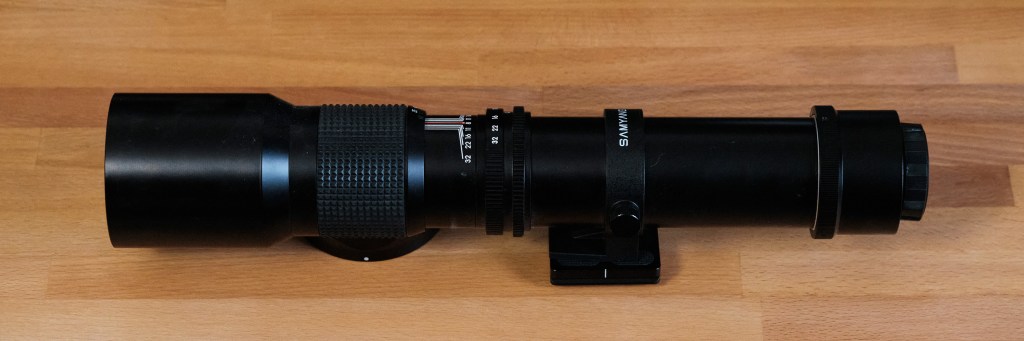
I do not believe that this lens is a samyang original design as it appears to be available under a variety of brand names, nevertheless the fact that they chose to put their name on it gave me hope that the quality would be at least passable.
The build quality of the lens seems good enough, with a nice finish to the metal body work and a rubber grip for the focus movement which is smooth and nicely dampened.
The body of the lens is threaded for T2, this means that adaptors for any mount can be easily and cheaply picked up.

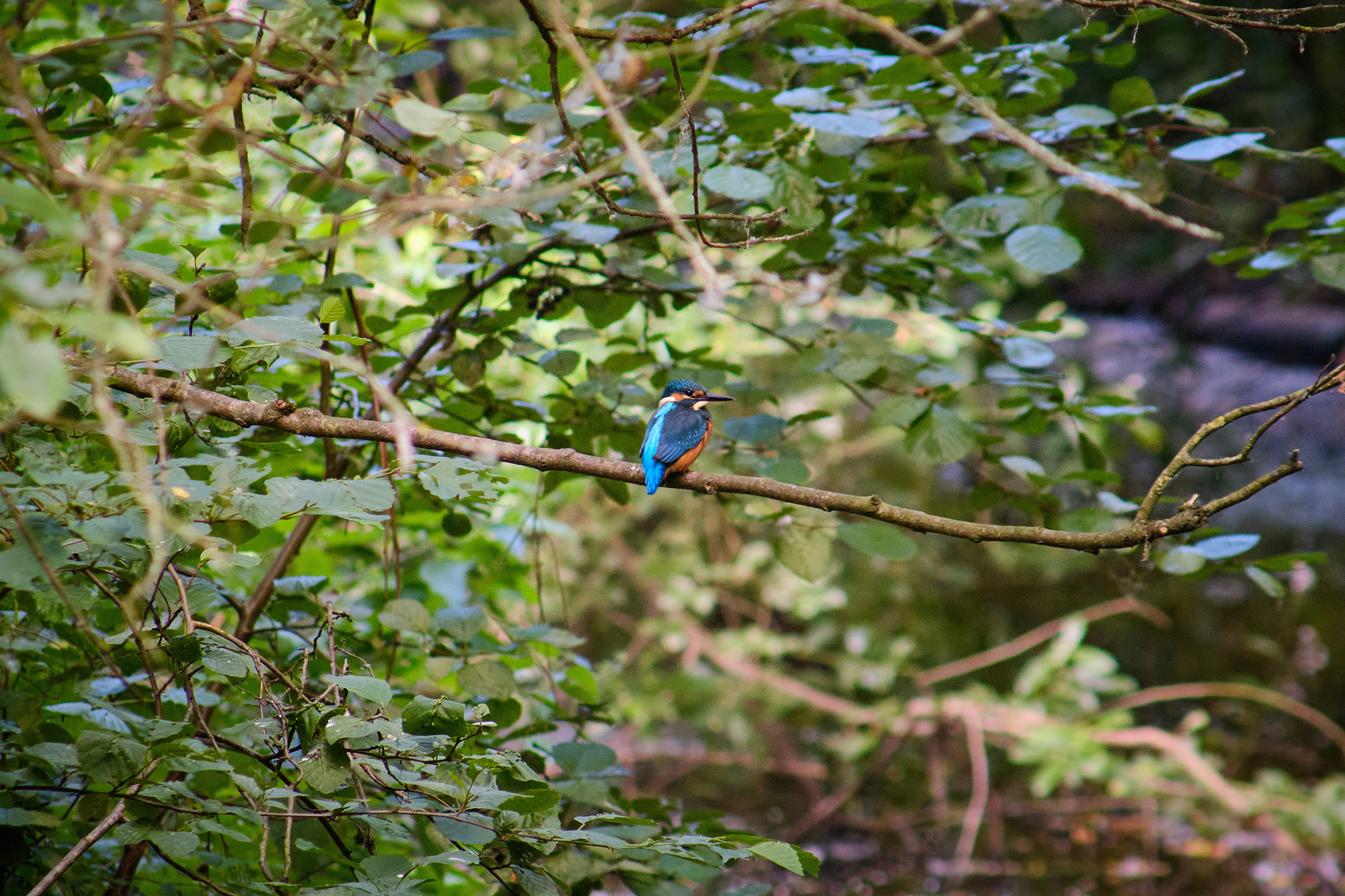
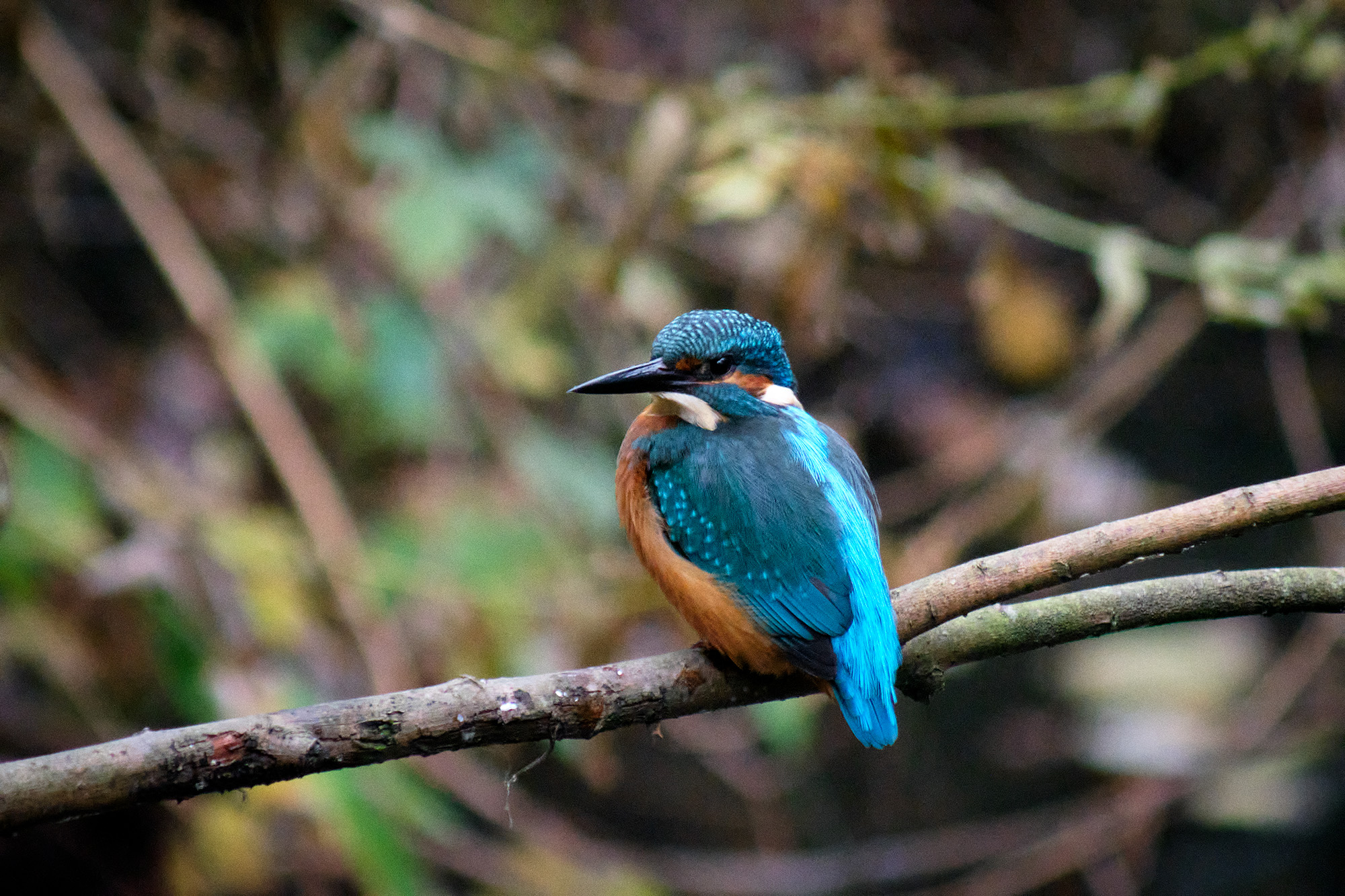
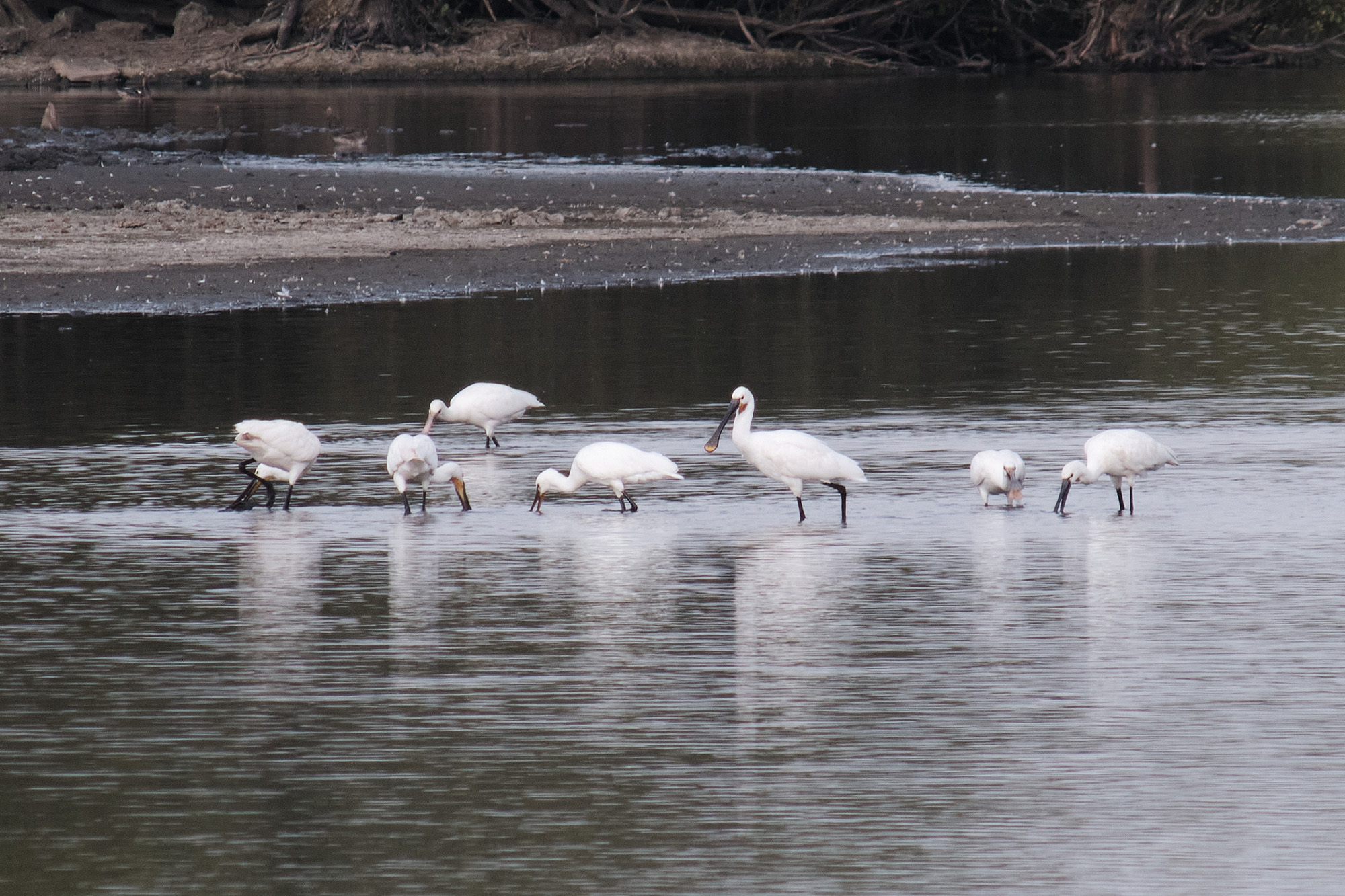
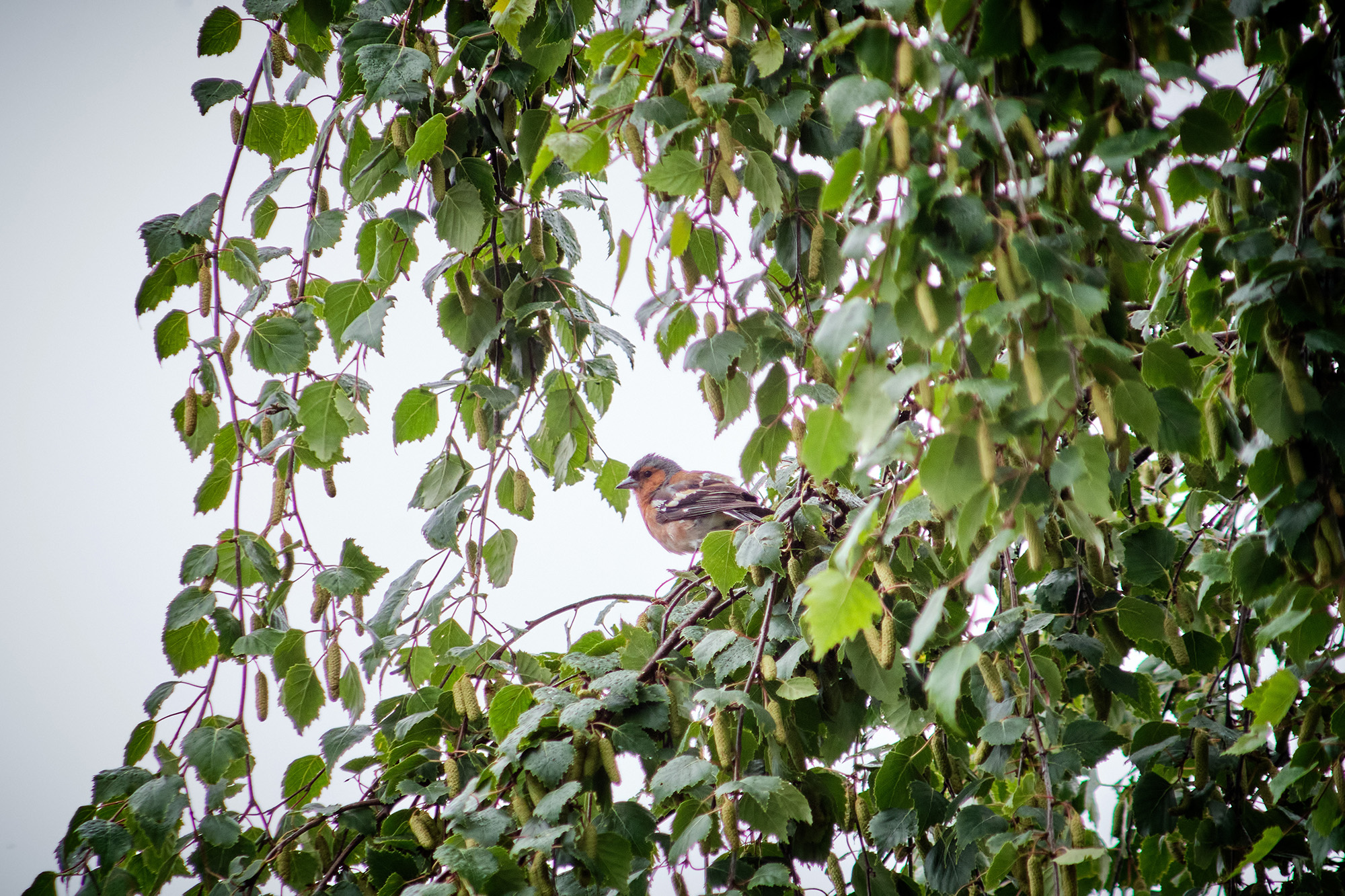
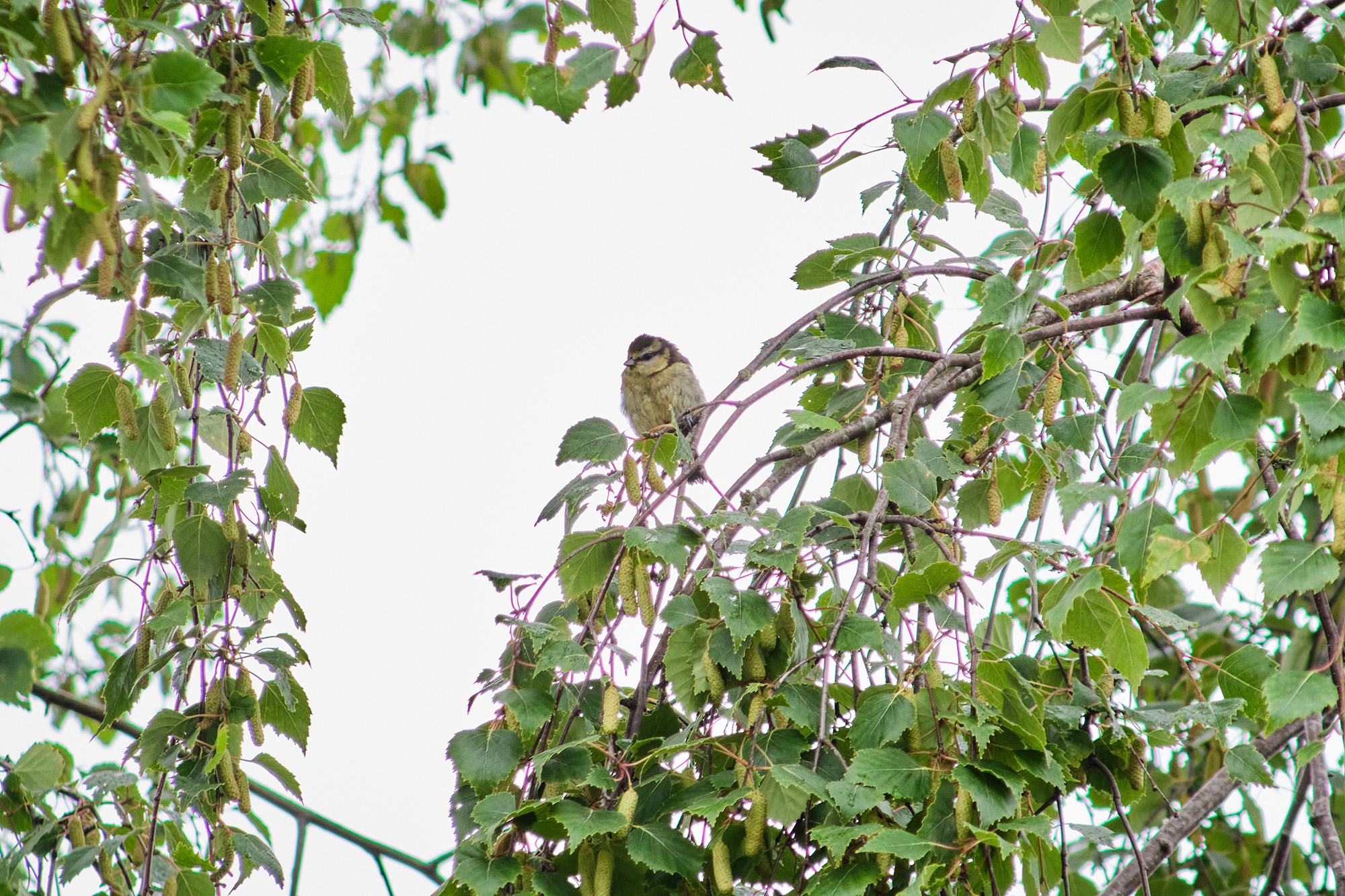
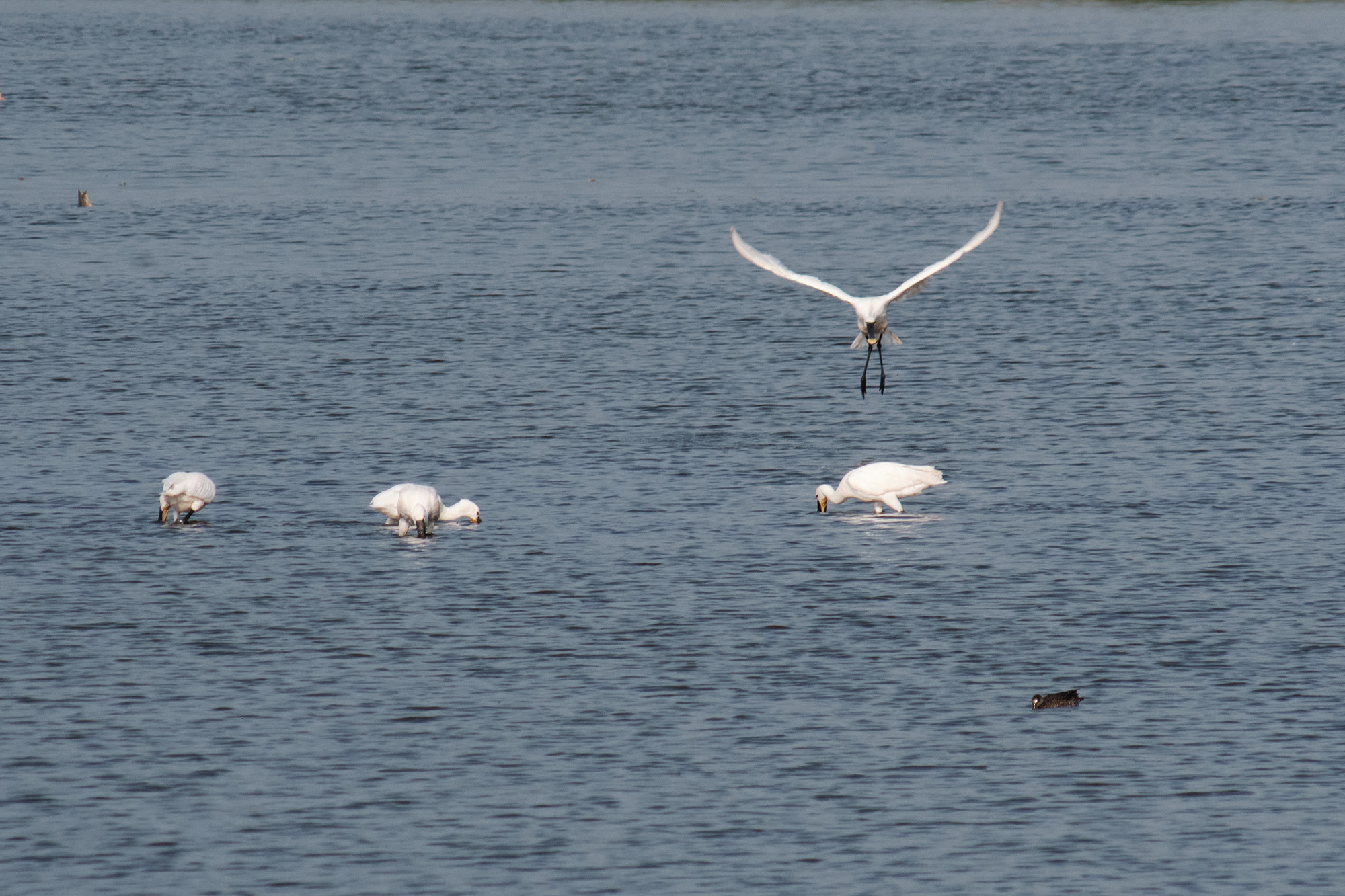
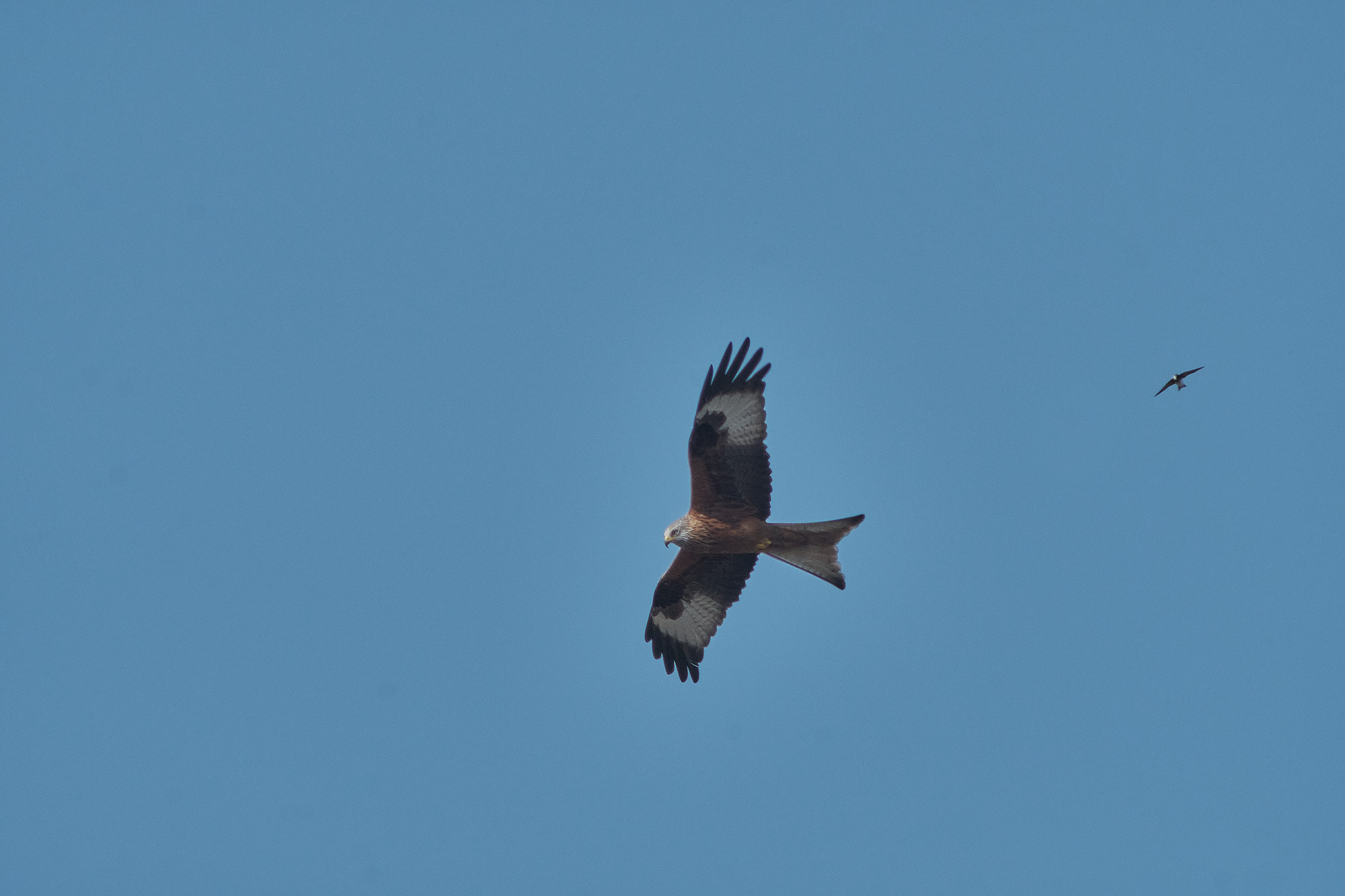
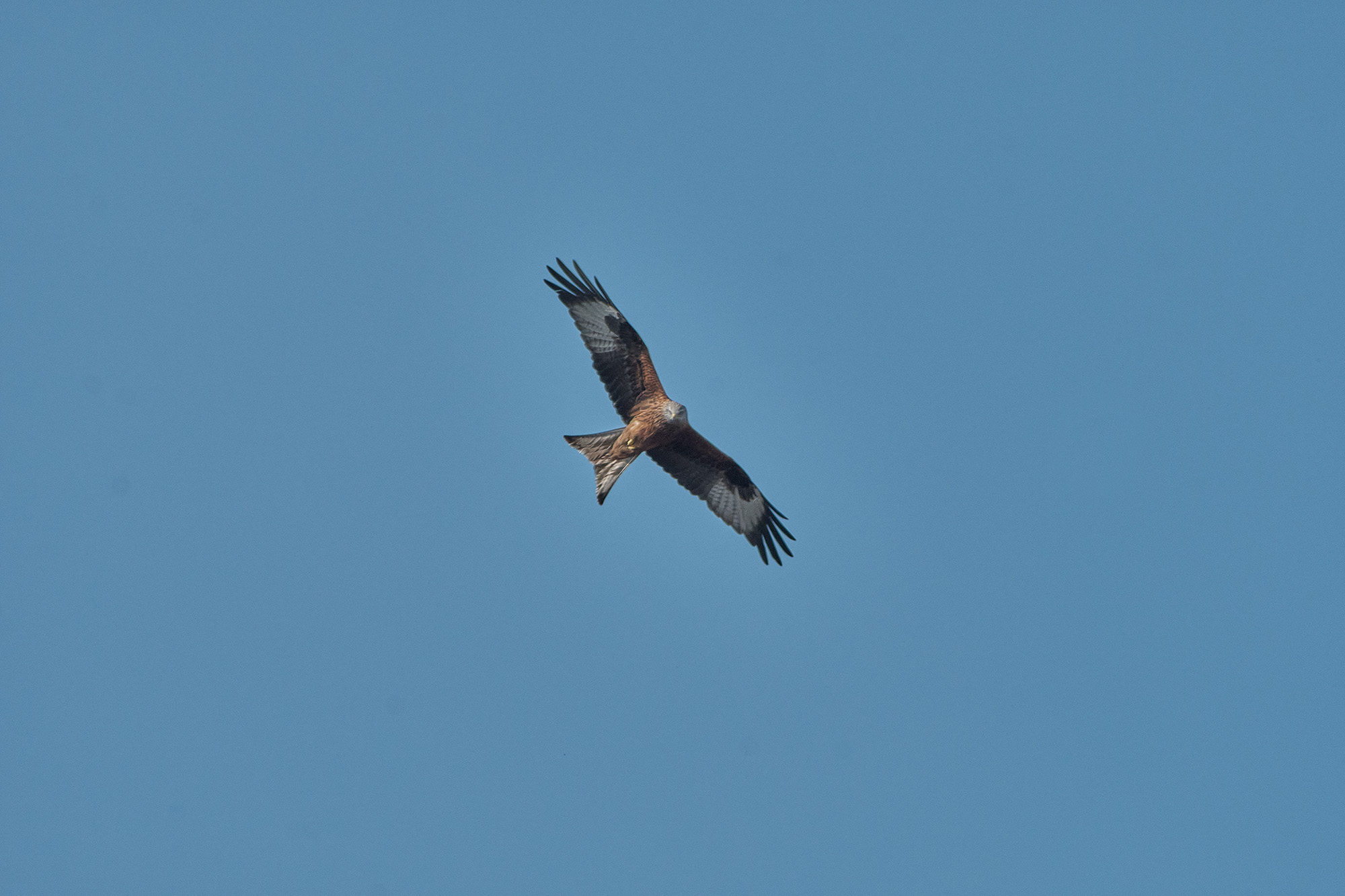
The image provided is is fairly low contrast and low resolution compared to modern lenses, the low contrast is easily resolved with a bit of post processing and the low resolution means pixel peeping can show smeary low detail results when subjects are small in the frame however a surprising amount of detail can be retrieved with some post process sharpening on a subject covering enough of the frame.
Backlit images are also heavily chromatically aberrated.
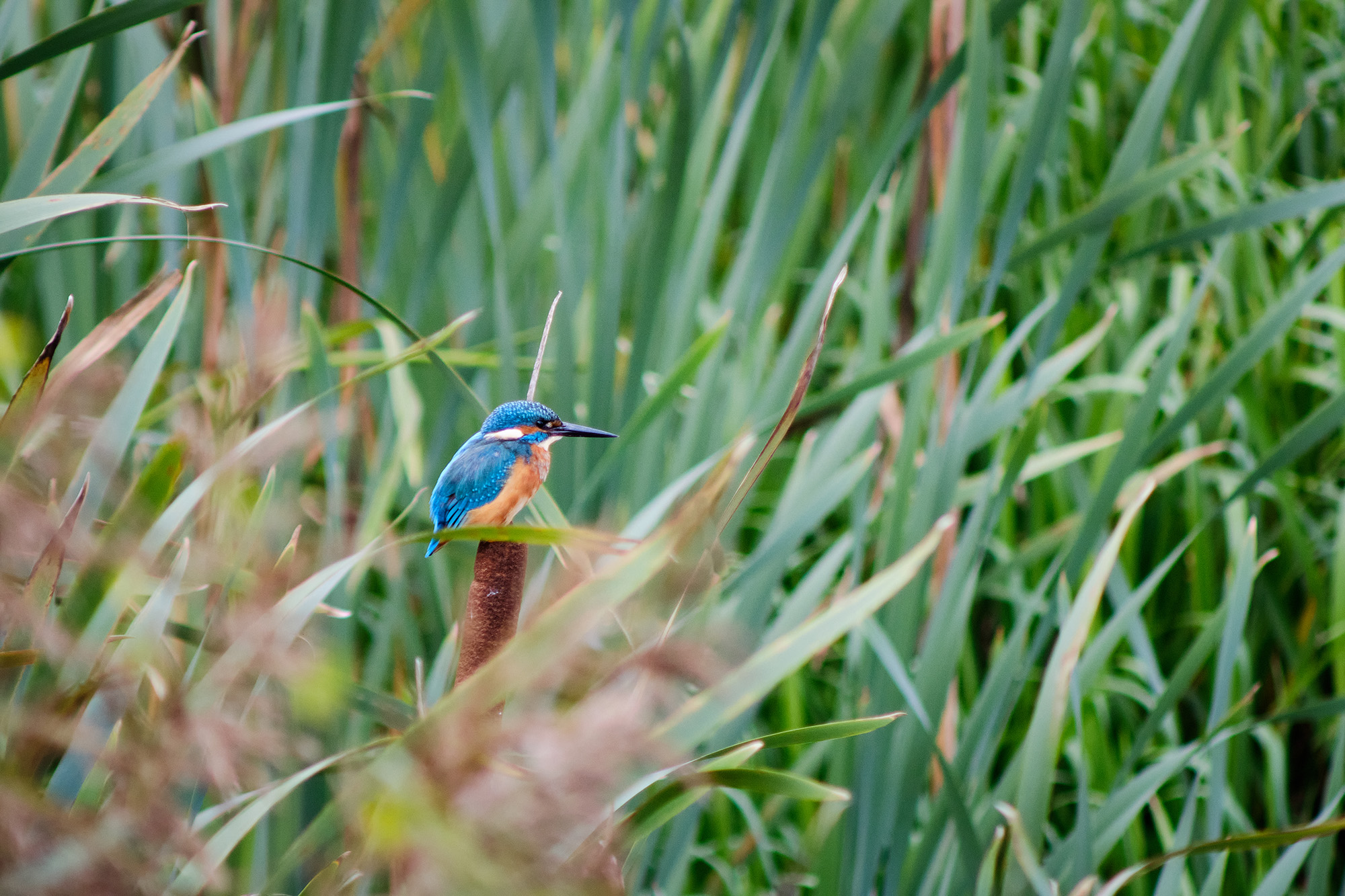
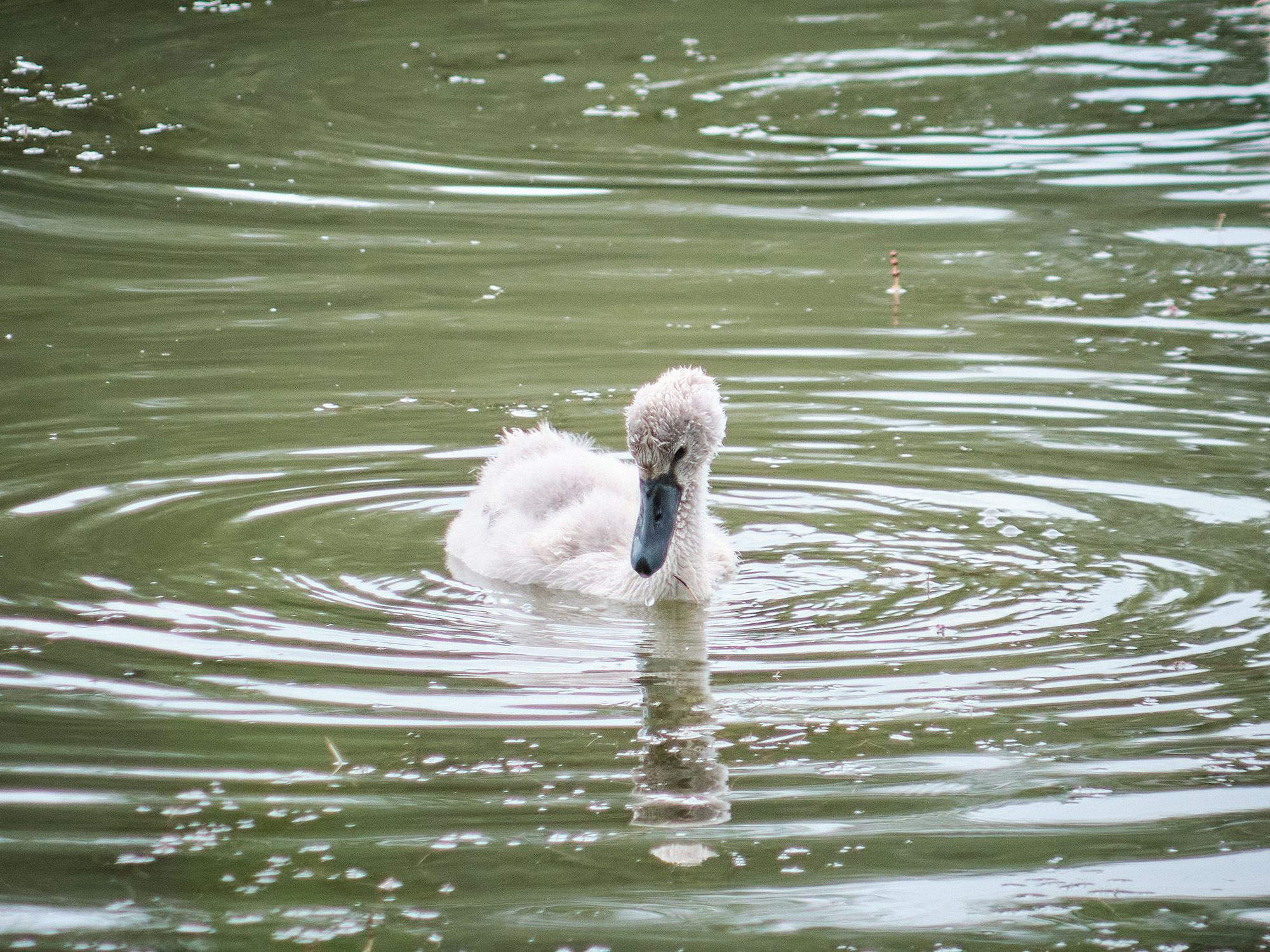
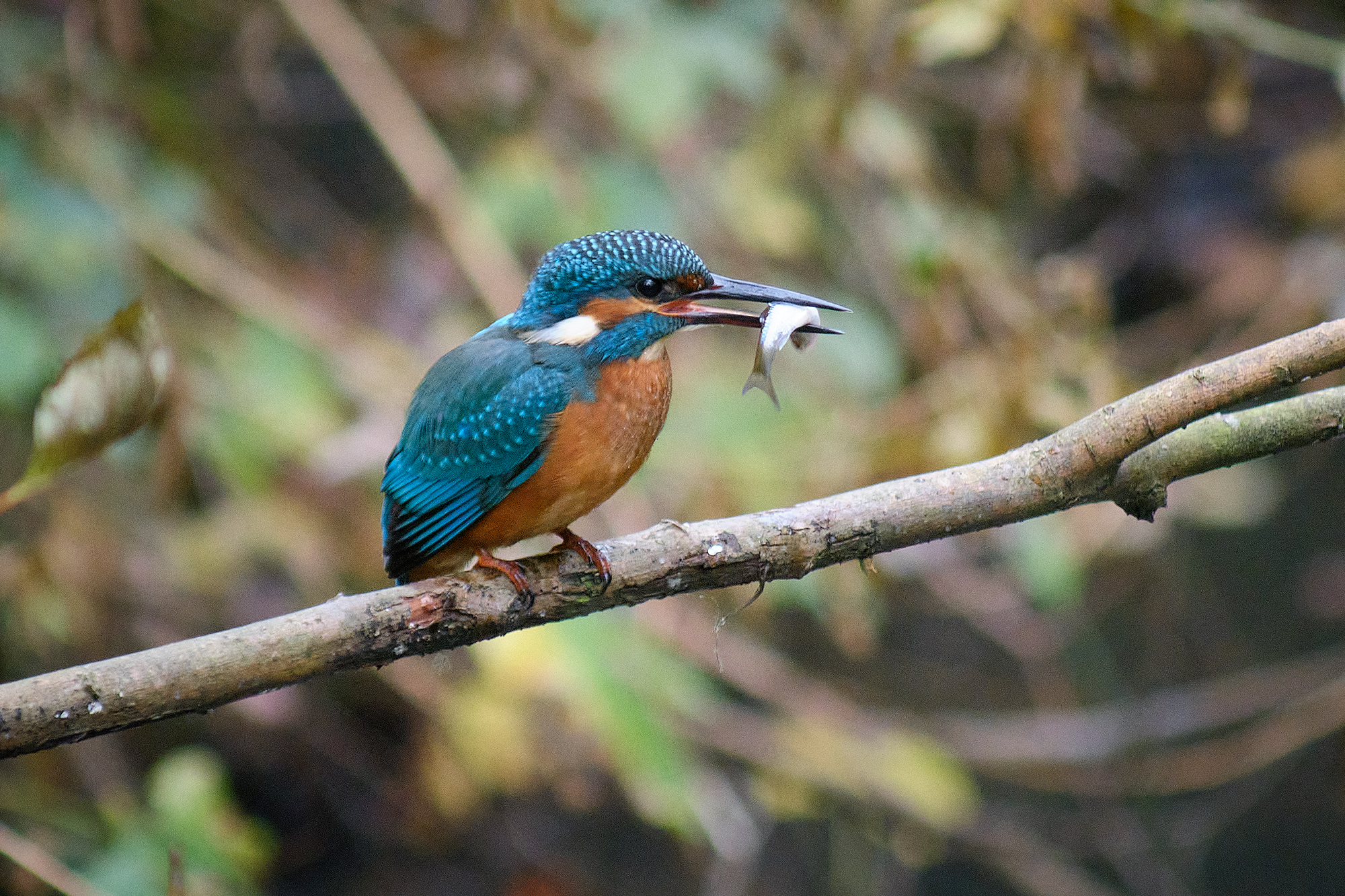
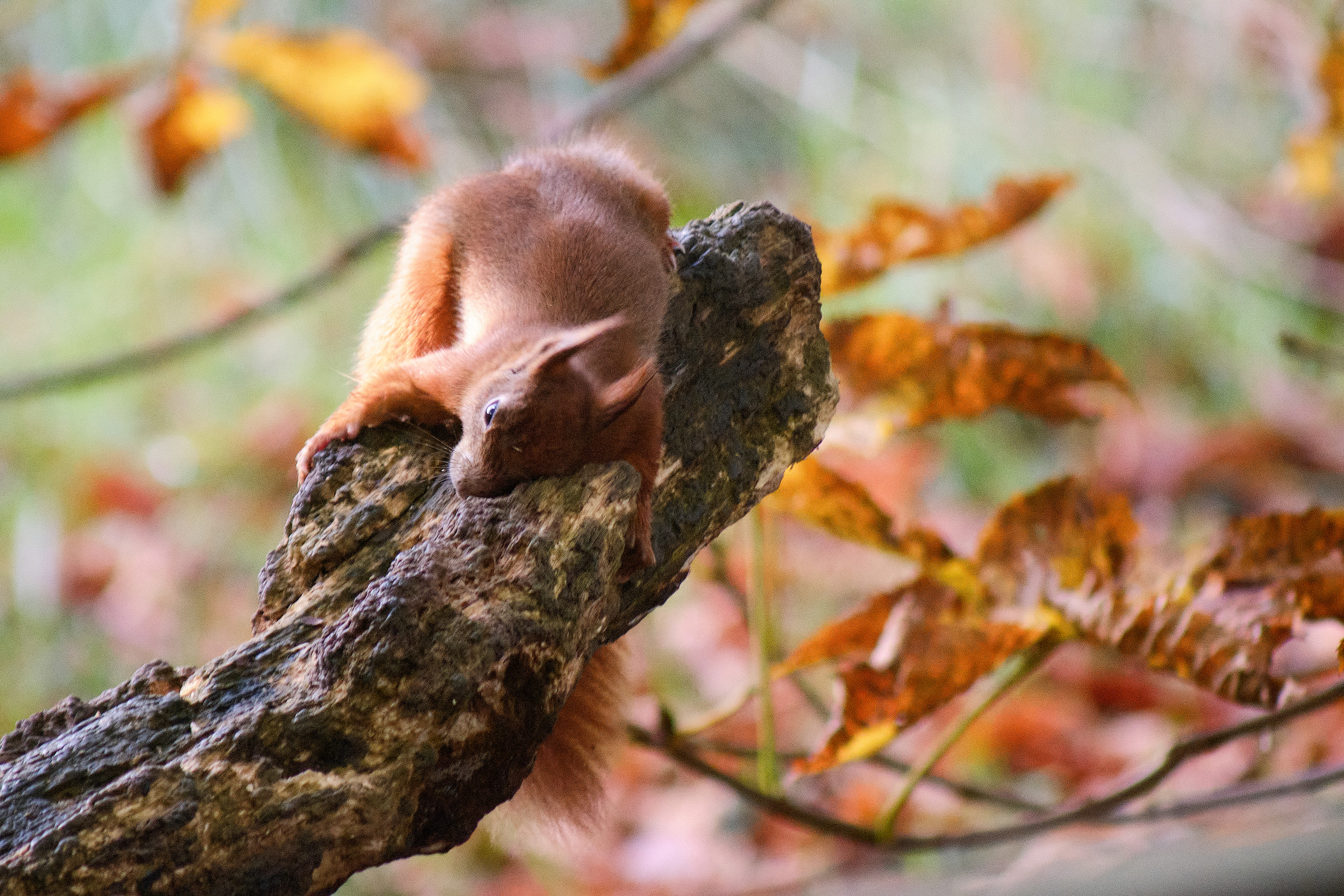
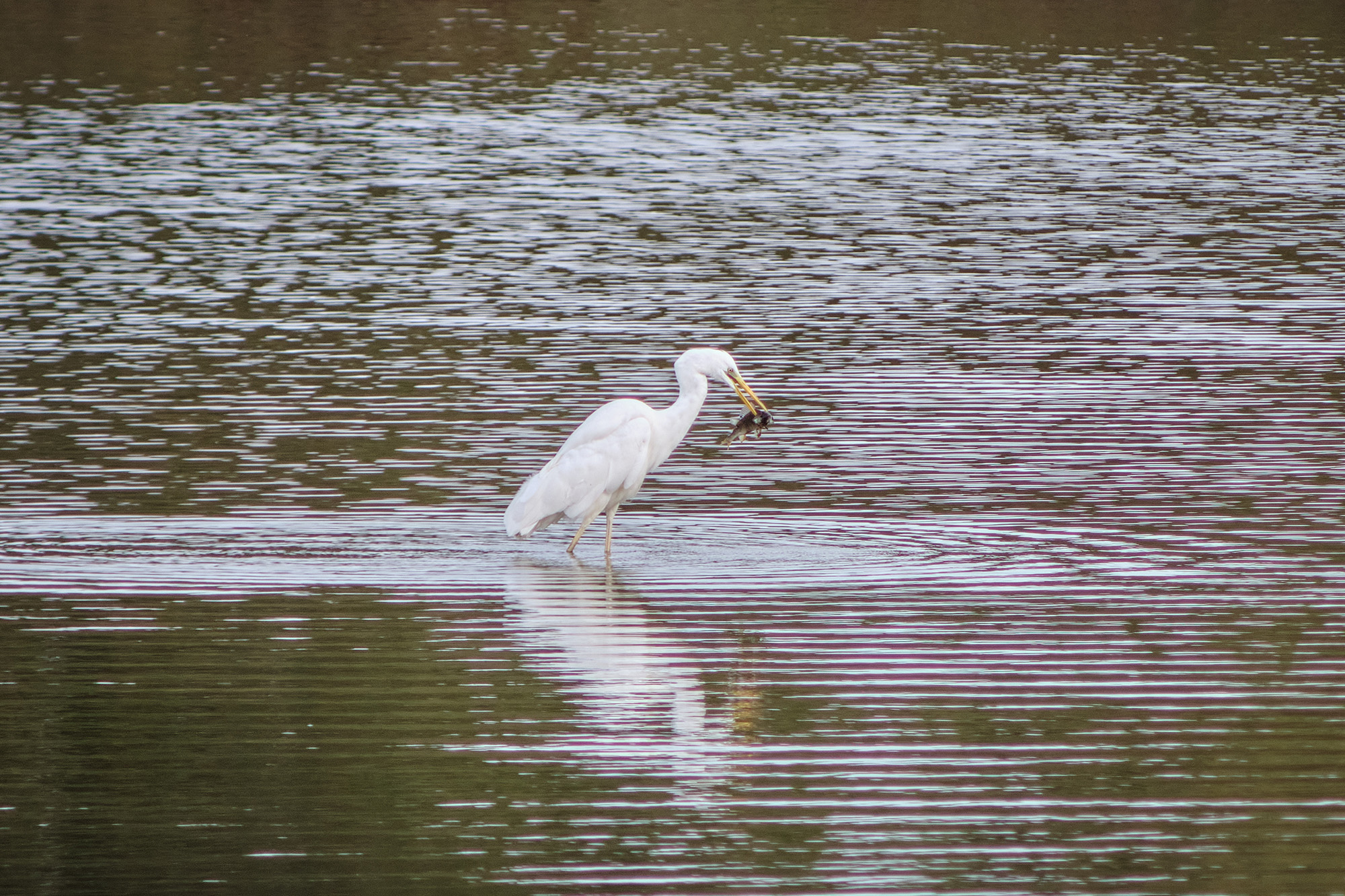
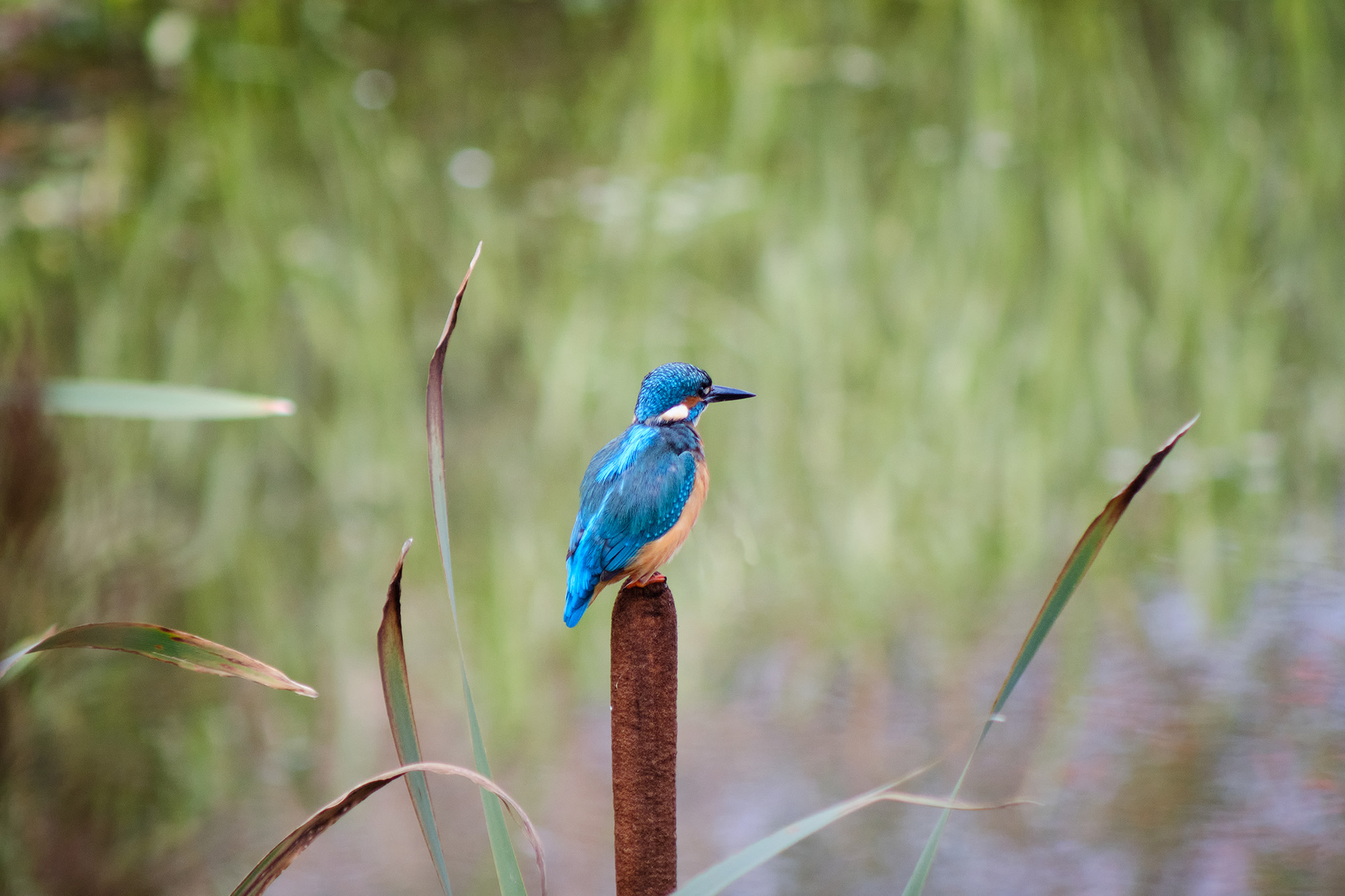
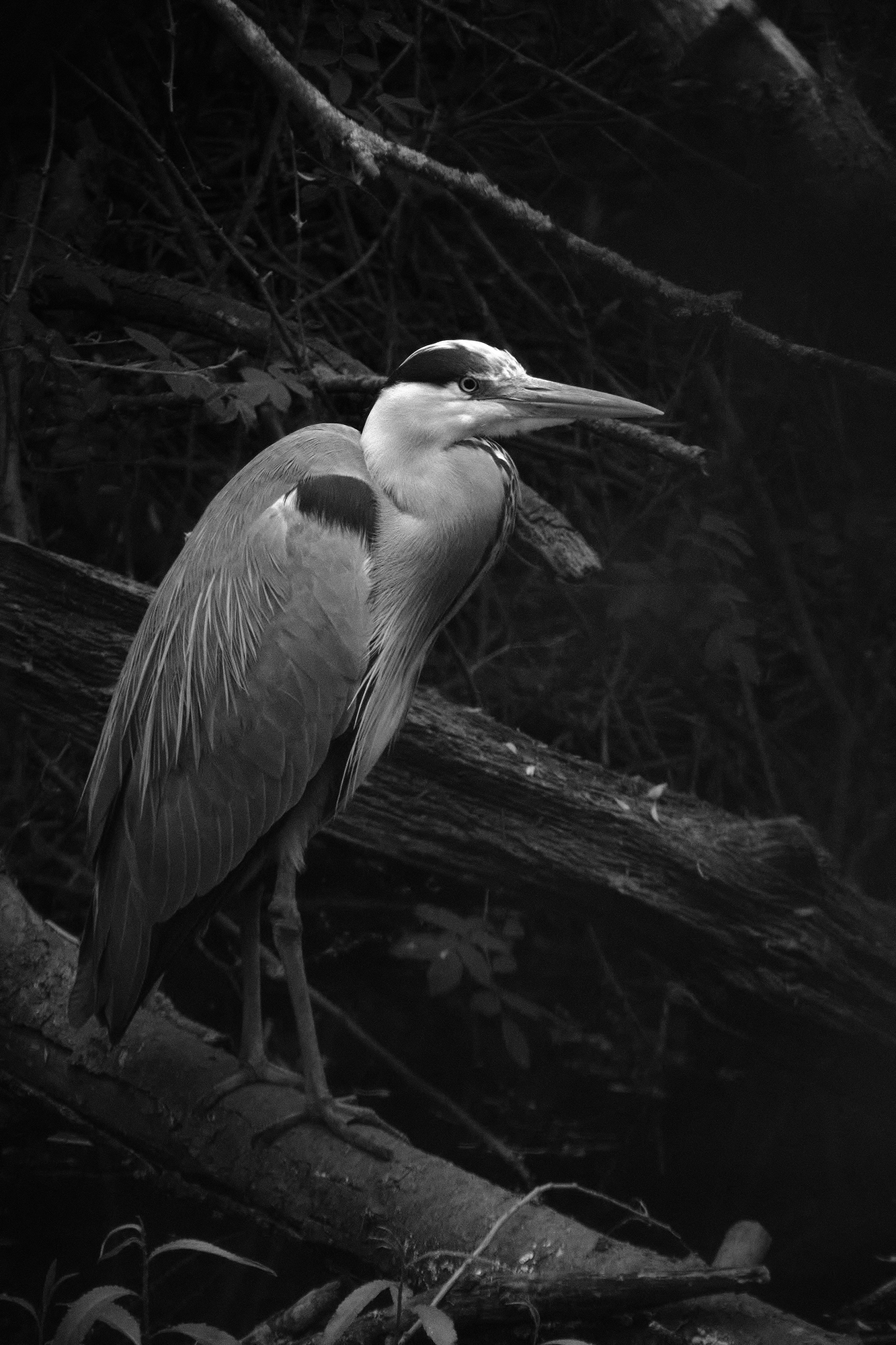
Overall though even with the downsides mentioned the results can be very pleasing when viewing an image as a whole.
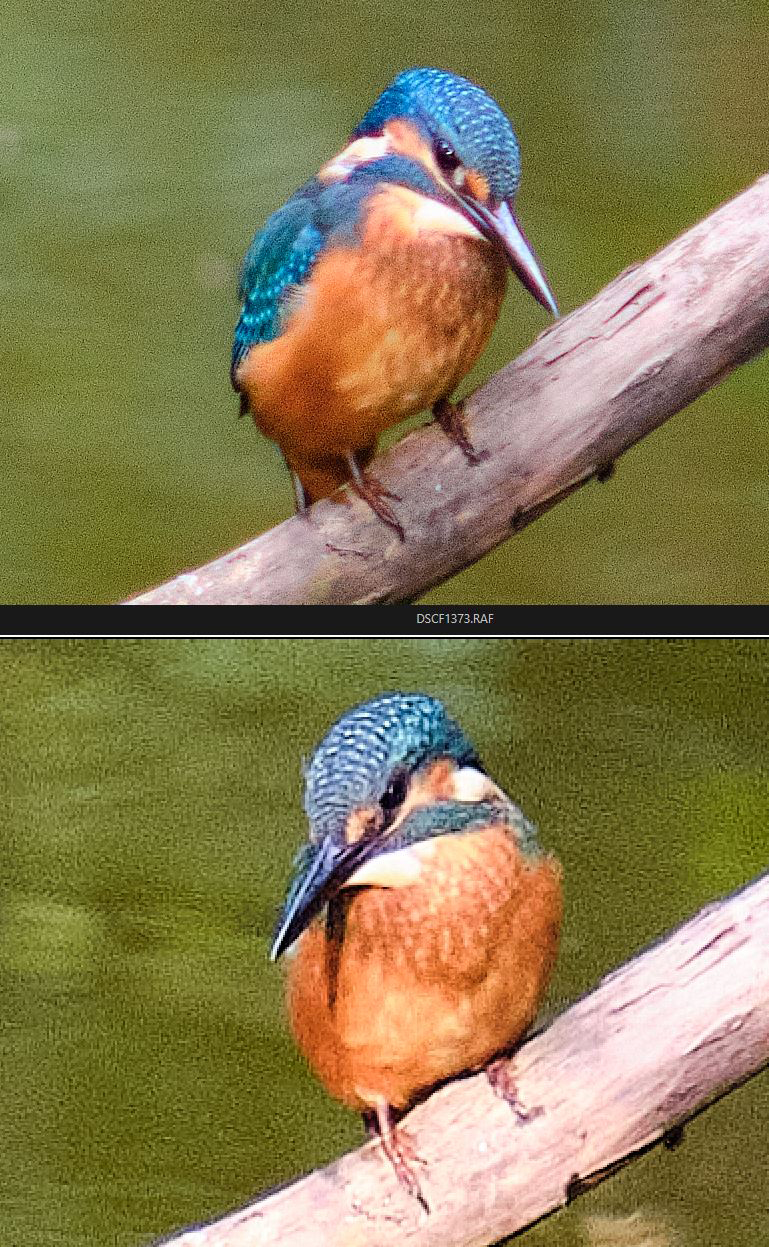
The above image is a comparison between the 500mm and my 200mm Fujifilm lens. The images are taken of the same bird in the same place but cropped to be the same size in frame. This demonstrates that even though the 500mm isnt the highest resolution lens by any means it can provide cleaner results than using a higher quality lens of a shorter focal length an dcropping in.
Some other downsides include lack of stabilisation and f8 being the fastest aperture, this means that high ISO numbers, a solid tripod or even just the edge of a hide to rest it on and possibly the use of a delayed release timer (depending on the shutter speed) are requirements to use the lens.
Most frustratingly of all though, from the factory the lens is unable to focus upto infinity, it gets far but not all the way there meaning that beyond a certain distance it is unusable although I have found that the focus restrictions can be removed with some tinkering. To do so peel back the rubber grip on the focus ring to expose a single screw. This screw can be removed to stop the focus mechanism hitting the factory set end points.
Overall though for the price of £40 vs £900+ for a modern autofocus equivalent I cannot complain about the results, when a lens can get you an image where you otherwise wouldnt be able to then surely that can only be seen as a win.





 Attempting Art
Leave a comment