Use as a Landscape lens and comparison to other primes
Over the last couple of years I I have managed to work my way through my fair share of both first and third party prime lenses for the Fuji X mount system.
Through this constant churn of lenses i have come to realise a few things, firstly for a workhorse lens I gravitate towards the 50mm equivalent focal length more than any other and secondly I much prefer an optically corrected lens to one that relies on software corrections.
These realisations are what led me to finally buying the Fuji Xf35mm f1.4, one of the most loved lenses released for the system.
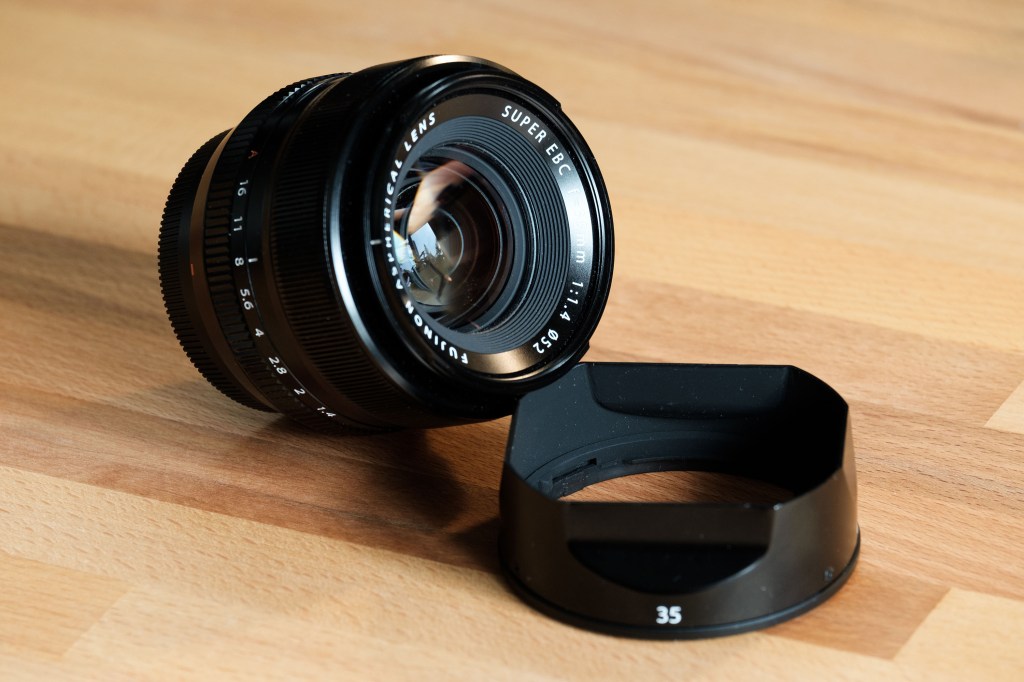
My main use case for this lens is landscape photography and my main requirements for landscape photography are as follows; small, lightweight, the abillity to use filters and sharp from edge to edge. The 35 1.4 meets all of these criteria.
Talking about first party lenses only, I have previously owned the 27mm f2.8(on two seperate ocasions) and the 35mm f2 and while each had its advantages both fell short in crucial areas for me.
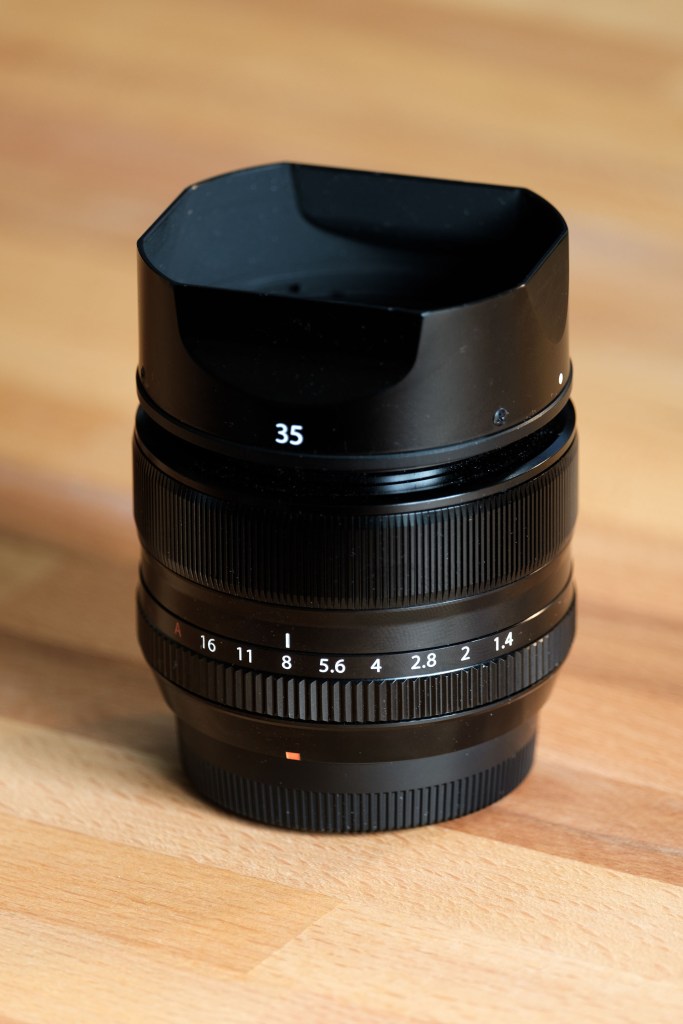
The XF 27mm was supremely sharp in the centre and the smallest lightest x-mount lens, almost perfect for hiking the montains with however its one fatal floor is its inabillity to use filters larger than its filter size due to its external focus mechanism. Any attachment larger than its filter thread will cause the focus mechanism to jam against the body when auto focusing or when manual focsing restrict the focus distance.
The XF 35mm f2 while weather sealed and marginally smaller is an optically worse design that relies on software correction to its fairly substantial distortion. The image below shows an example of this, the smearing in the far corners is a symptom of the in camera distortion correction that is added to both jpg and raw. This can not ever be resolved by stopping the lens down further.

Moving back on topic to the 35 1.4 itself and all i can really do is sing praise for it, as far as I am concerned it does everything well or atleast well enough that it is not an issue in any meaningfull way in the real world.
Handling and usabillity wise the lens is about as good as it really gets. The aperture ring is clicked and has a reasonable amount of resistance to it, I find that it is easy to reach and adjust when hand holding the camera and it is far enough away from the focus ring that nocking it while manually focusing is not an issue for me and should not be an issue for any but those with the largest most uncoordinated of hands.
Contrary to what i had been led to believe by online opinions this lens is surprisingly compact and honestly without its lens hood it is barely larger than the XF 35 f2 which many claim to be a far smaller lens and is often cited as one of the reasons for picking that lens over the f1.4.
When Comparing it to the Viltrox 33mm f1.4 which is what it replaced it is the smaller lens by a reasonable amount. The viltrox without its lens hood is about the same size as the fuji with its lens hood although it must pointed out that this is most likely due to the Viltrox been an internally focusing design whereas the fuji is external.
One of the main complaints that I had read about before making the purchase is that the autofocus is slow by modern standards. So far I cannot honestly say that this has ever been an actual issue for me even when shooting street/travel photography where speed will be a factor, sure it is not as fast as the f2 primes but it is not really that much slower either on bodies newer than the first gen of X cameras. It is an issue that is definately overplayed online.
I think that at the end of the day it really is down to your own use case and if fractions of a second matter to you.
For me personally shooting landscapes, focus time is not a factor at all. I will nearly always be focusing manually and when I am not well the landscape is hardly going to go anywhere is it.

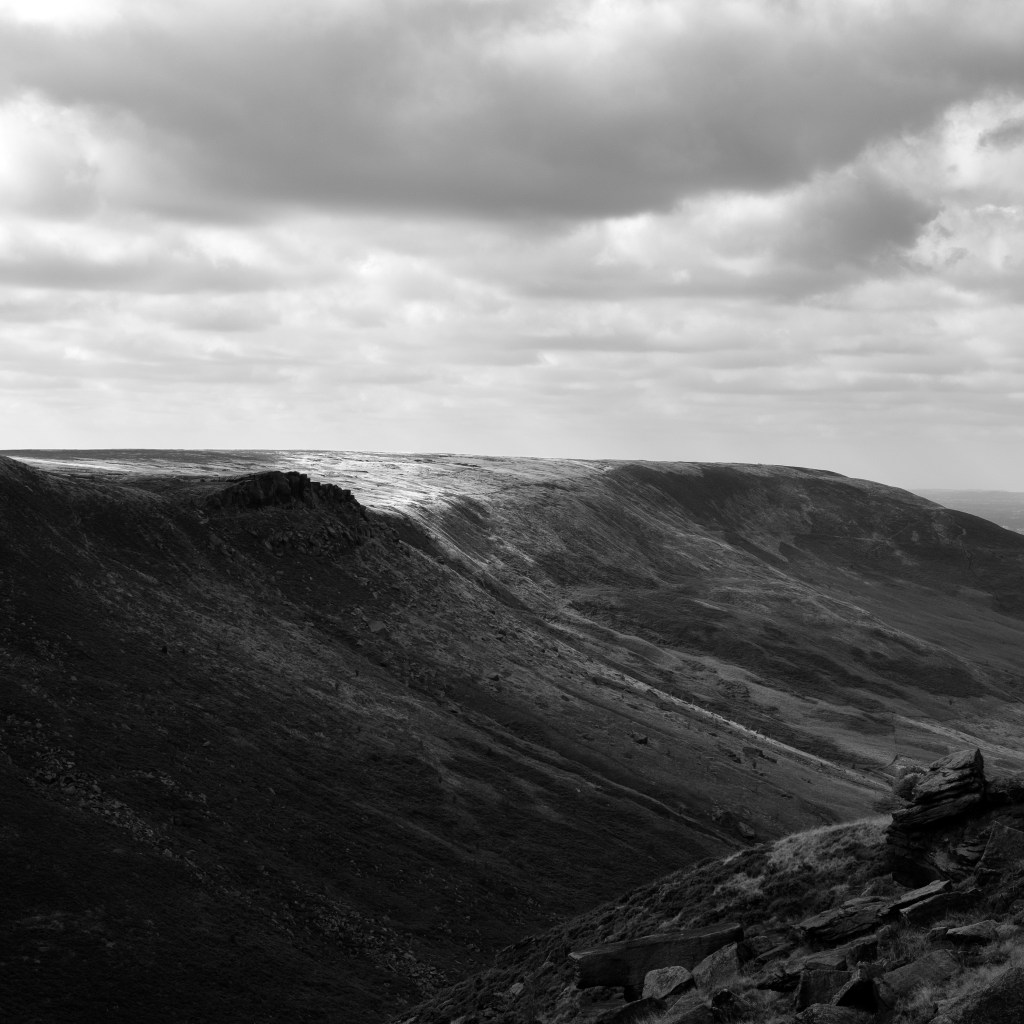
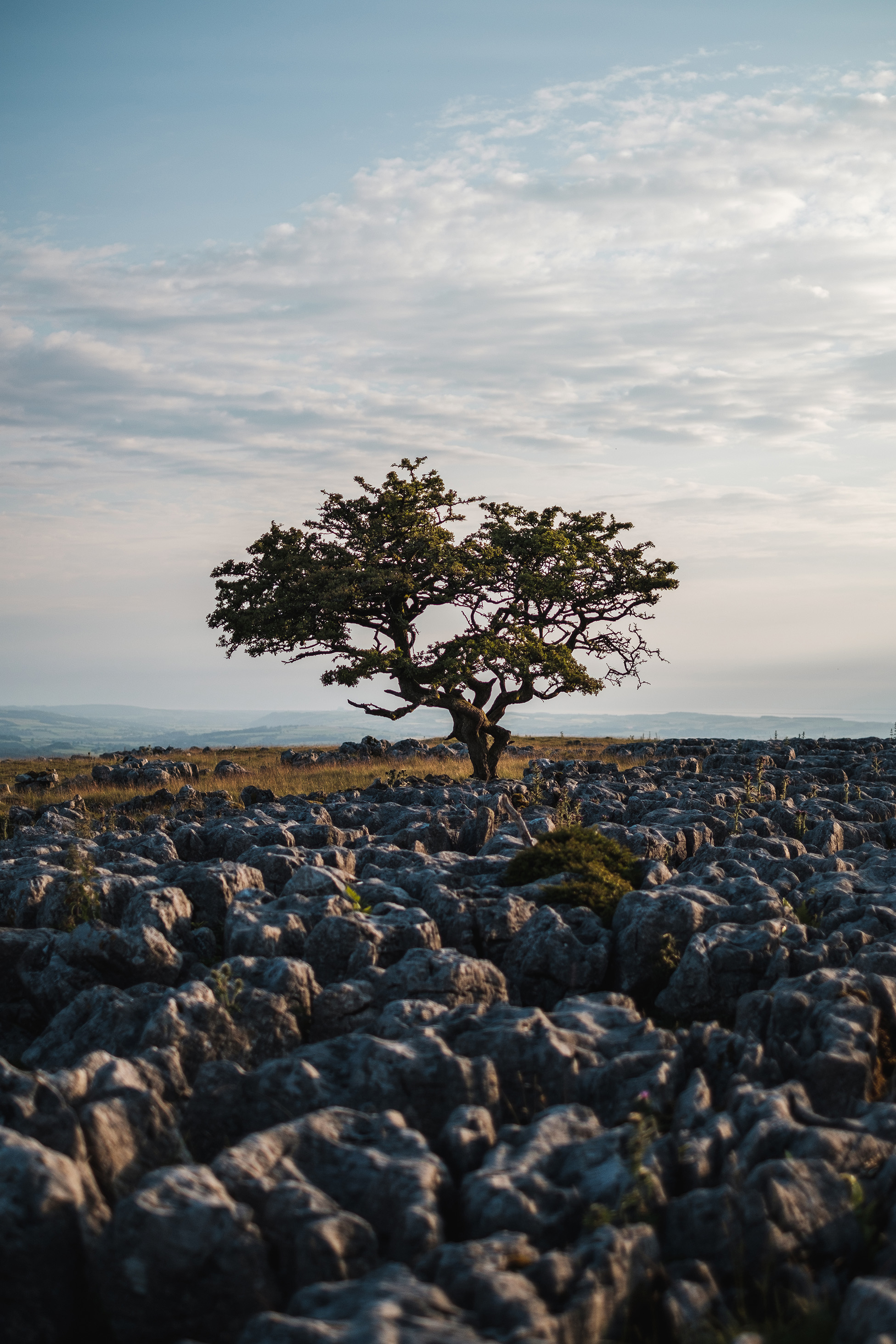
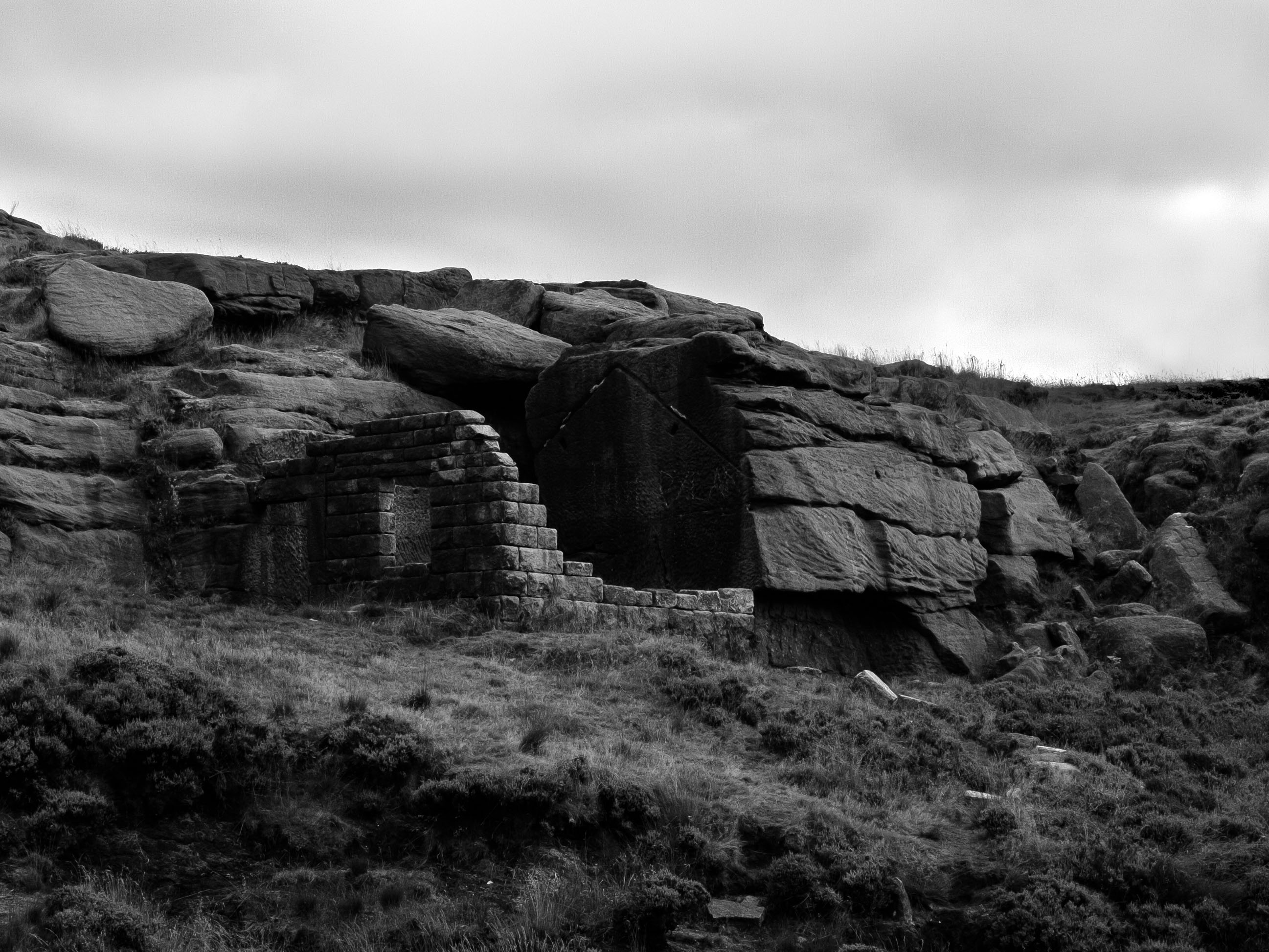
Looking to the actual photographic results the lens has good contrast and produces gorgeous colours when used in the right conditions. I have found that it produces great results in both colour images and black and white conversions although there is a good case that this could be argued for basically all modern lenses when software corrections are a factor.
As i have talked about previously though for me one of the greatest benefits of this lens is that its optical design produces almost no distortion and so it does not rely on software corrections that themselves can cause irrepairable distortion to the image in other ways. Lenstip.com is a great website that scientifically(no brick walls) measures lens distortion in their reviews and can give a good idea of what to expect from a lens.
Overall all that I can really say to sum up my thoughts on this lens is that I love it and I do not know of anything else on the market that would make me give it up any time soon.


 Attempting Art
Leave a comment